What happened
Anthropic, the company behind the Claude family of AI models, has developed Claude Code, a coding assistant that works alongside developers. According to Anthropic's own engineering material, the company treats its internal engineering practices and tool-building as closely tied to how it develops and tests its models. Claude Code sits within this wider effort to make AI genuinely useful inside real software work, rather than being a demo that impresses in isolation but struggles with day-to-day tasks.
The story is worth attention because it comes from a team building both the underlying model and the tool that uses it. That combination is unusual, and it shapes how the assistant behaves in practice. For businesses watching the rise of AI coding tools, the development approach carries lessons that go well beyond one product.
Why it matters for smaller businesses
Small and medium-sized enterprises often face a shortage of engineering time. A single developer may handle everything from bug fixes to new features. AI coding assistants promise to ease that load, but they also carry risks: over-reliance, security gaps, and code that nobody fully understands. The way Anthropic describes building for real engineering work suggests the useful path is treating an assistant as a capable helper, not a replacement for human judgement.
Three practical points stand out for SMEs considering these tools:
- Start with real tasks. Tools earn trust when they help with the actual work your team does, not staged examples.
- Keep humans reviewing output. AI-generated code still needs a person who understands it and can maintain it later.
- Measure the effect. Track whether the tool genuinely saves time or simply shifts effort into checking and correcting.
A practical example
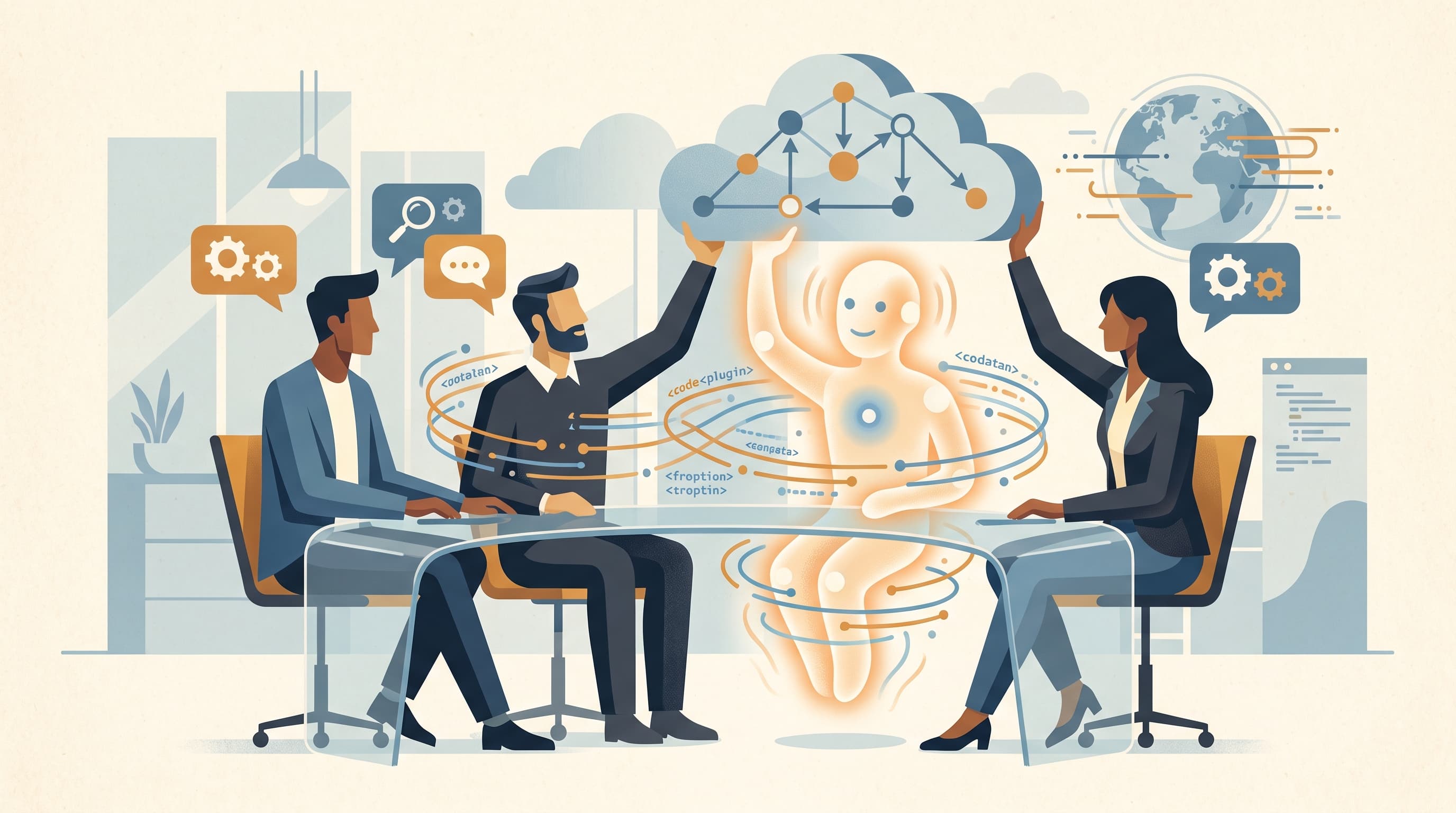
Imagine a two-person team at a small Maltese e-commerce firm. Their online shop has a slow checkout page and they lack the time to investigate. Using an assistant like Claude Code, a developer might type a plain-language request: "Review the checkout page code, find why it loads slowly, and suggest fixes I can apply safely." The assistant could identify an unoptimised database query and a large uncompressed image, then propose specific changes. The developer reviews each suggestion, tests it locally, and applies the ones that make sense. The result: a faster checkout in an afternoon rather than a week, with the developer still fully in control of what shipped. That balance, human review over machine suggestion, is exactly what the tool works best for.
What next
Expect AI coding assistants to become a normal part of small development teams over the coming years. The competition among providers is likely to push quality up and make the tools easier to adopt. For SMEs, the sensible move now is to run small, low-risk trials, document what works, and build internal habits around reviewing AI output before it reaches production. Businesses that learn to work with these tools carefully, rather than either ignoring or blindly trusting them, will be best placed as the technology matures.
A final word
Brain.mt can help you using AI for your business. Contact me for more information. I also offer dedicated workshops and training about this subject, so your team can adopt AI coding tools with confidence and proper safeguards in place.